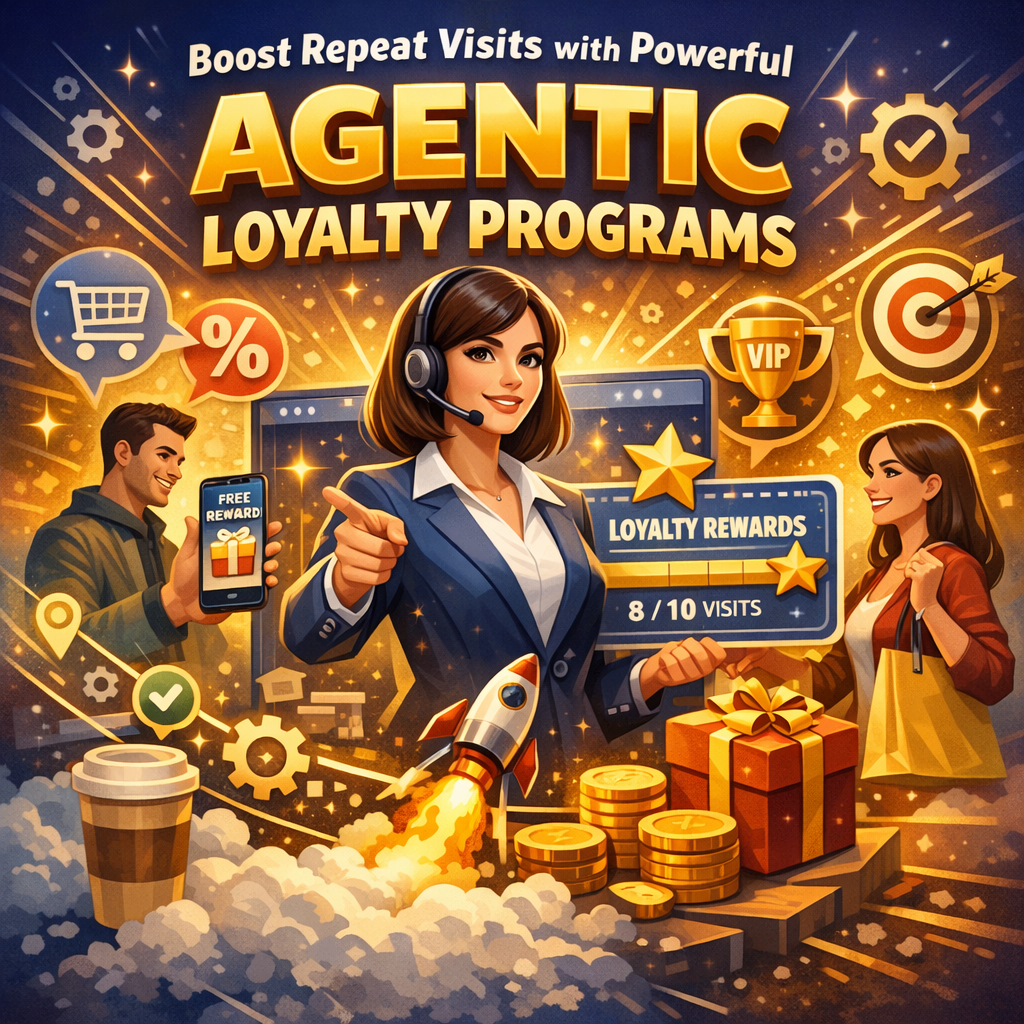
Boost Repeat Visits with Powerful Agentic Loyalty Programs
The Power of Agentic Loyalty Programs in Increasing Repeat Visits
In today’s competitive market, maintaining a loyal customer base isn’t just beneficial; it’s essential. One of the most effective ways to ensure customer retention and increase repeat visits is through well-structured loyalty programs. Specifically, agentic loyalty programs, which empower customers to make choices that align with their preferences and lifestyle, are seeing significant success. Let’s unravel how these programs work and why they are so effective.
What Are Agentic Loyalty Programs?
Agentic loyalty programs revolve around giving the power back to the customers, allowing them to become active participants in shaping their own loyalty rewards and experiences. Unlike traditional loyalty schemes that offer a linear, one-size-fits-all reward system, agentic programs offer choices that adjust to diverse customer needs and desires.

Key Characteristics of Agentic Loyalty Programs
- Personalization: Tailoring rewards and experiences to individual preferences.
- Flexibility: Offering multiple options to redeem points or benefits.
- Engagement: Creating interactive ways for customers to earn their loyalty rewards.
Benefits of Agentic Loyalty Programs
These dynamic programs aren’t just popular because they sound progressive; they deliver tangible benefits both to the business and the consumer.
For Customers
- Empowerment: Customers feel in control of their own rewards.
- Relevance: Rewards align closely with personal needs and lifestyle choices.
- Satisfaction: Tailored experiences increase overall customer satisfaction.
For Businesses
- Increased Retention: Personalized experiences build emotional connection, increasing loyalty.
- Higher Frequency of Visits: Engaging and flexible rewards encourage more frequent visits.
- Data Collection: Interaction with various choices in the program provides businesses with valuable data on customer preferences.
Implementing an Agentic Loyalty Program
Transitioning to an agentic loyalty program or creating one from scratch involves several steps, each crucial for success.

1. Understand Your Audience
- Conduct surveys or analyze purchase patterns to grasp varied customer needs.
- Segment your customer base to streamline the personalization process.
2. Design Diverse Reward Options
- Offer different categories of rewards such as discounts, exclusive experiences, or product customizations.
- Allow customers to switch between reward types whenever needed.
3. Incorporate Technology
- Use a robust CRM system to manage rewards and track customer interactions.
- Implement user-friendly mobile apps or digital platforms for customers to engage with the program.
4. Maintain Transparency and Simplicity
- Make sure the rewards system is easy to understand and use.
- Communicate clearly about how customers can earn and redeem rewards.
5. Foster Continuous Engagement
- Update the rewards options regularly based on customer feedback and trends.
- Run periodic promotions that encourage participation and retention.
Real-world Example of Successful Agentic Loyalty Program
Starbucks Rewards is a prime example of an agentic loyalty program in action. Members earn stars for spending at Starbucks, which can be redeemed for various rewards, from free drinks to product discounts. The program offers levels where customers can climb to higher reward tiers. The flexibility to choose how and when to use their stars significantly enhances the customer experience and encourages frequent visits.
Challenges of Agentic Loyalty Programs
While highly effective, these programs require careful management.
- Complexity in Management: Handling various personal preferences and reward options can be logistically challenging.
- Higher Initial Costs: Setting up sophisticated systems and processes for personalization has an upfront cost.
- Risk of Over-Personalization: Too much customization can sometimes overwhelm customers, potentially reducing engagement.
Conclusion
Agentic loyalty programs represent a shift towards more personalized, engaging customer experiences in loyalty strategies. By focusing on flexibility, personalization, and customer empowerment, these programs not only enhance satisfaction but also significantly increase repeat visits. When executed well, they can transform the way businesses foster loyalty, turning occasional buyers into lifetime patrons. Businesses considering a loyalty program overhaul or start-up should highly consider the agentic approach for its robust potential in driving business success.