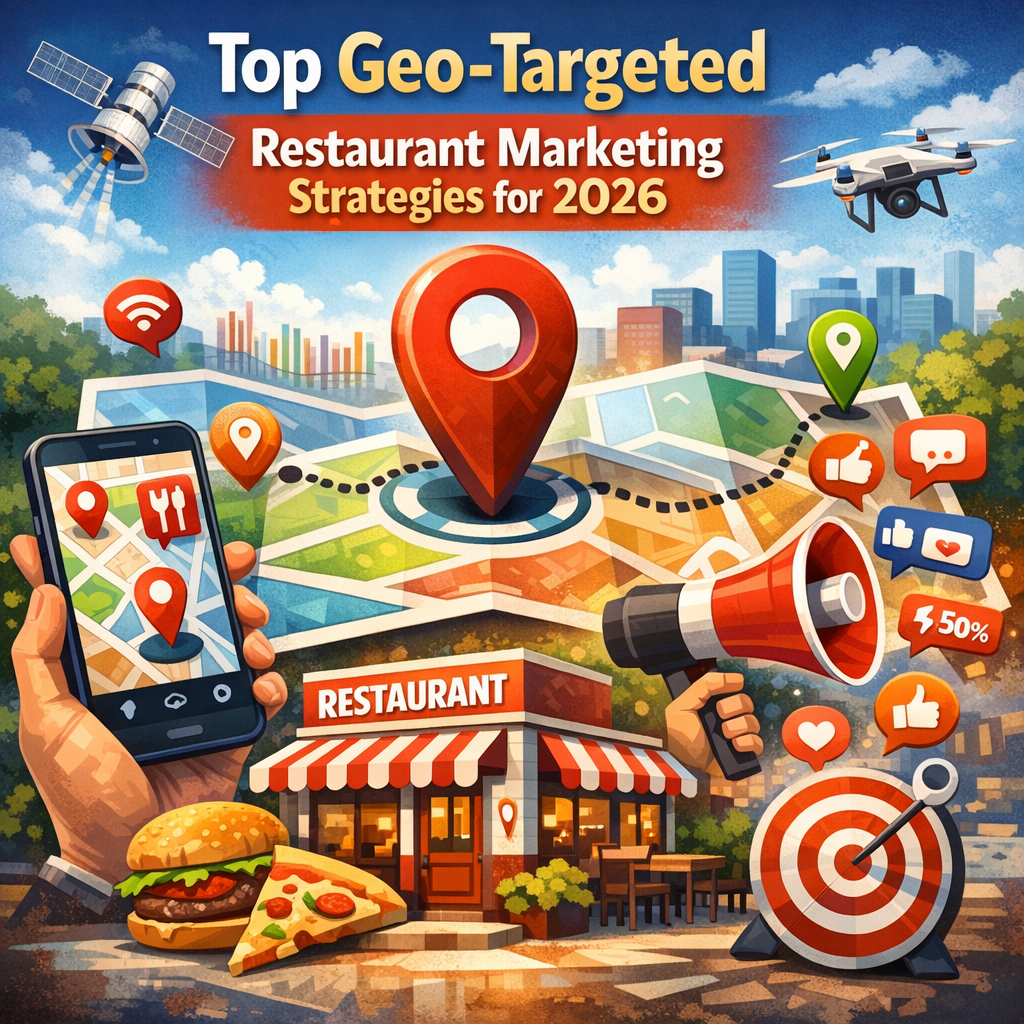
Top Geo-Targeted Restaurant Marketing Strategies for 2026
Geo-Targeted Restaurant Marketing Strategies for 2026
In 2026, the restaurant industry continues to evolve rapidly, driven by advancements in technology and shifting consumer behaviors. Geo-targeted marketing has emerged as a crucial strategy for restaurateurs aiming to connect more effectively with local customers. This approach not only boosts brand visibility but also drives significant traffic by delivering tailored messages to a specific demographic, based on their geographic location. In this post, we’ll explore several cutting-edge geo-targeted marketing strategies that can help your restaurant thrive in 2026.
Understanding Geo-Targeting
Geo-targeting involves the process of delivering different content or advertisements to consumers based on their geographic locations. In the context of restaurant marketing, this can range from displaying specific menu items likely to appeal to regional tastes to sending special offers when a potential customer is near a particular locale.

Why Geo-Targeting Is Essential in 2026
Consumer expectations have evolved; personalized experiences are no longer just appreciated but expected. Geo-targeting meets these demands by providing relevant and localized experiences, fostering higher engagement, and ultimately driving foot traffic to your restaurant.

Top Geo-Targeted Marketing Strategies
Leveraging Local SEO
Optimize for ‘Near Me’ Searches
Most diners search for restaurants by including phrases like “near me” in their search queries.

- Ensure your restaurant’s name, address, and phone number (NAP) are consistent across all online platforms.
- Utilize Google My Business to enhance your visibility in local search results.
- Collect and manage customer reviews, as they significantly influence local SEO rankings.
Localized Social Media Content
Tailor Content Based on Location
Create social media content that resonates with local culture and trends.
- Use geo-specific hashtags to increase visibility in local search results on platforms like Instagram and Twitter.
- Share highlights and events from your local community to engage neighborhood audiences.
Geo-Fencing
Send Promotions When Customers Are Nearby
Geo-fencing involves setting up virtual boundaries around a specific location and sending promotions to a smartphone once a potential customer crosses into the area.
- Offer special discounts to customers who are near your restaurant to encourage them to choose your venue over competitors.
- Alert customers to events and special menu items when they are nearby.
Collaborations with Local Influencers
Engaging Local Social Media Personalities
Partner with local influencers who can promote your restaurant to their localized follower base.

- Choose influencers whose following includes a large percentage of locals.
- Organize events or menu launches where influencers can invite their audience to your restaurant.
Utilizing Data Analytics
Understand Local Demographics
Use data analytics to gain insights into the local population’s dining preferences and behaviors.

- Tailor menu items according to the preferences of the local market.
- Adjust marketing messages based on the demographic data of your area.
Examples of Successful Geo-Targeted Campaigns in 2026
- A Chicago-based pizzeria uses weather-based promotions, offering discount codes on rainy days driving significant uptick in deliveries.
- A café in San Francisco offers “Instagrammable” desserts targeted at the local millennial and Gen Z populations, boosting its social media presence and attracting a young, enthusiastic clientele.
In conclusion, the targeted strategies discussed here not only enhance the effectiveness of marketing efforts but ensure that these efforts speak directly to the local audience. As we advance further into 2026, the ability to adapt and localize your marketing strategies will continue to be a decisive factor in the success of your restaurant. Start implementing these techniques today to stay ahead in the competitive restaurant business.