How Restaurants Can Beat Third-Party App Fees with Direct Delivery Tech
Meta Description: Discover how restaurants can reduce third-party delivery fees, build direct customer relationships, and increase profit using direct delivery technology.
Third-party delivery apps have transformed the restaurant industry, making it easier for customers to order food from almost anywhere. However, convenience comes with a significant cost. High commissions, service fees, advertising expenses, and limited customer ownership can reduce restaurant profit margins. For restaurants looking to improve profitability, direct delivery technology offers a smarter alternative.

The Hidden Cost of Third-Party Delivery Apps
Food delivery platforms can charge restaurants substantial commissions on every order. While these platforms provide access to a large customer base, restaurants may lose a considerable portion of their revenue before accounting for food, labor, packaging, and delivery costs.

Another challenge is customer ownership. When customers order through a third-party marketplace, the platform often controls the customer relationship. Restaurants may receive the order but have limited access to valuable customer data and purchasing patterns.

Over time, this can make it difficult to build customer loyalty and encourage repeat business.
What Is Direct Delivery Technology?
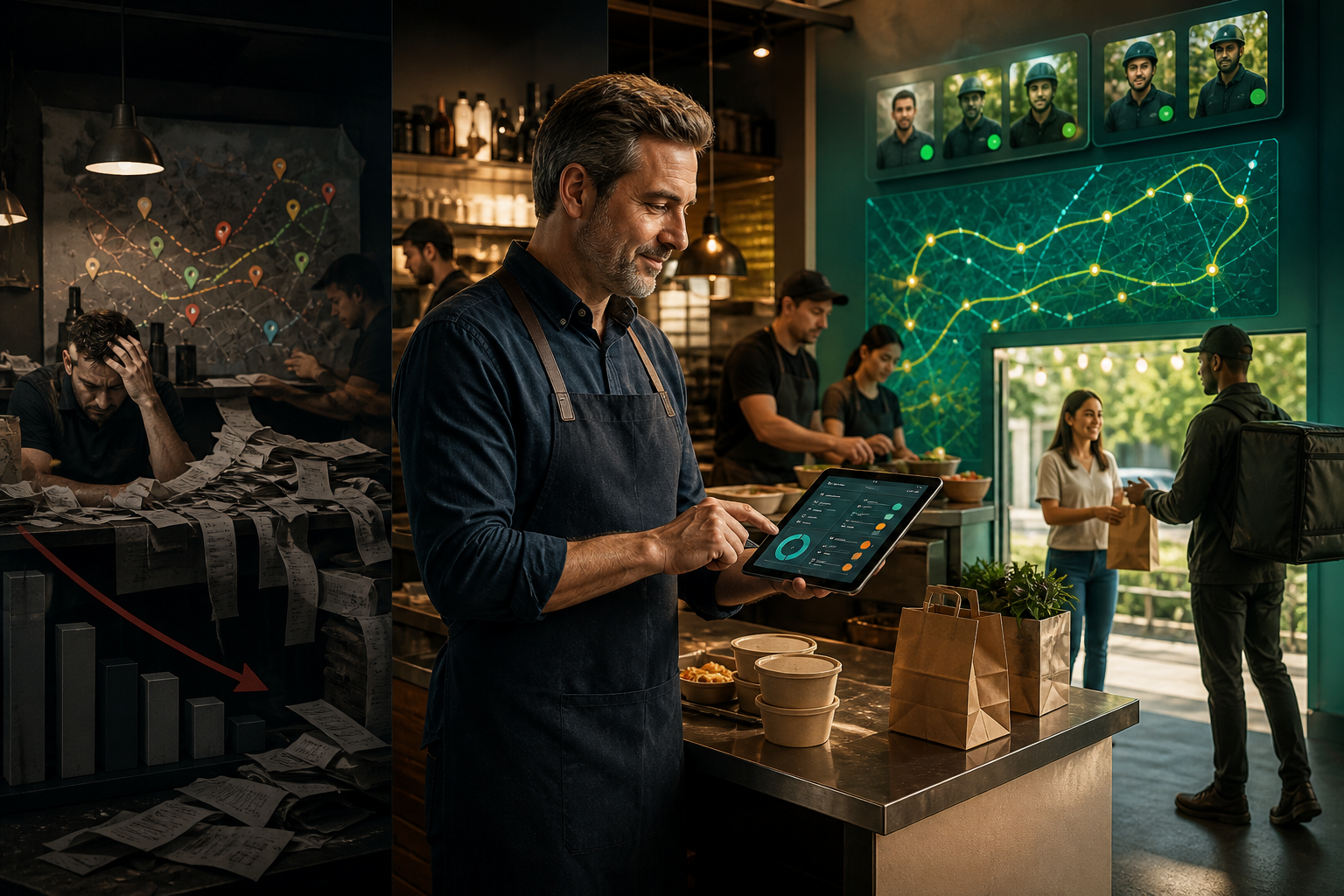
Direct delivery technology allows restaurants to manage online ordering, customer communication, delivery coordination, and order management through their own digital systems.
Instead of depending entirely on third-party marketplaces, restaurants can encourage customers to order directly through their website, mobile application, QR codes, social media, or other digital channels.

A connected delivery system can also help restaurants organize orders, assign deliveries, monitor order status, and communicate with customers without relying on multiple disconnected platforms.

Turning One-Time Orders into Long-Term Customers
One of the biggest advantages of direct ordering is customer ownership.
When customers order directly, restaurants can build their own customer database and better understand purchasing behavior. This information can support personalized promotions, loyalty programs, seasonal offers, and targeted marketing campaigns.
For example, a restaurant could identify customers who frequently order lunch during weekdays and offer them a special corporate lunch promotion. This type of relationship is much harder to develop when customers remain primarily connected to a third-party marketplace.
Reducing Delivery Costs Without Sacrificing Convenience
Direct delivery does not necessarily mean that restaurants must manage every delivery manually. Modern technology can help restaurants coordinate drivers, organize delivery zones, track orders, and optimize dispatching.
Restaurants can also create delivery strategies based on distance, order value, time of day, and available drivers. By improving delivery coordination, businesses can reduce unnecessary trips and improve operational efficiency.
The goal is not simply to eliminate third-party platforms overnight. Instead, restaurants can gradually shift more customers toward direct ordering while continuing to use marketplaces strategically for customer acquisition.
Using Third-Party Apps as Marketing Channels
Third-party platforms do not have to disappear from a restaurant’s strategy. They can serve as discovery and customer-acquisition channels.
Restaurants can use these marketplaces to reach new customers while encouraging repeat customers to order directly through their own channels. Loyalty incentives, direct-order discounts, email campaigns, QR codes, and social media can help move customers from marketplace dependency toward direct relationships.
The Future of Restaurant Delivery Is More Direct
Restaurants need technology that gives them greater control over revenue, customer relationships, and delivery operations. Direct delivery technology can help businesses reduce dependency on expensive marketplaces while creating a stronger foundation for long-term growth.
The winning strategy is not simply “stop using third-party apps.” It is to create a balanced delivery ecosystem where restaurants use marketplaces for visibility but rely increasingly on their own technology for repeat orders, customer engagement, and profitable delivery.
For modern restaurants, owning the customer relationship may be just as important as delivering the food.