Multi-Brand Kitchens vs. Single-Concept Delivery: Which Ghost Kitchen Model Wins Long Term?
Meta Description: Compare multi-brand kitchens and single-concept delivery models to discover which offers better scalability, operational efficiency, brand loyalty, and long-term profitability.
Introduction
The rise of delivery-first dining has created new opportunities for restaurants and food entrepreneurs to reach customers without relying on traditional dine-in spaces. Among the most important decisions for ghost kitchen operators is choosing the right business model: running multiple virtual restaurant brands from one kitchen or focusing on a single delivery concept.

Both approaches offer distinct advantages, but their long-term success depends on customer demand, operational capabilities, marketing strategy, and financial discipline. Understanding the differences can help food businesses select a model that supports sustainable growth rather than short-term order volume alone.
What Is a Multi-Brand Kitchen?
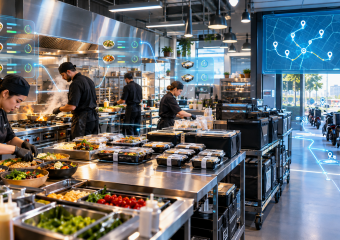
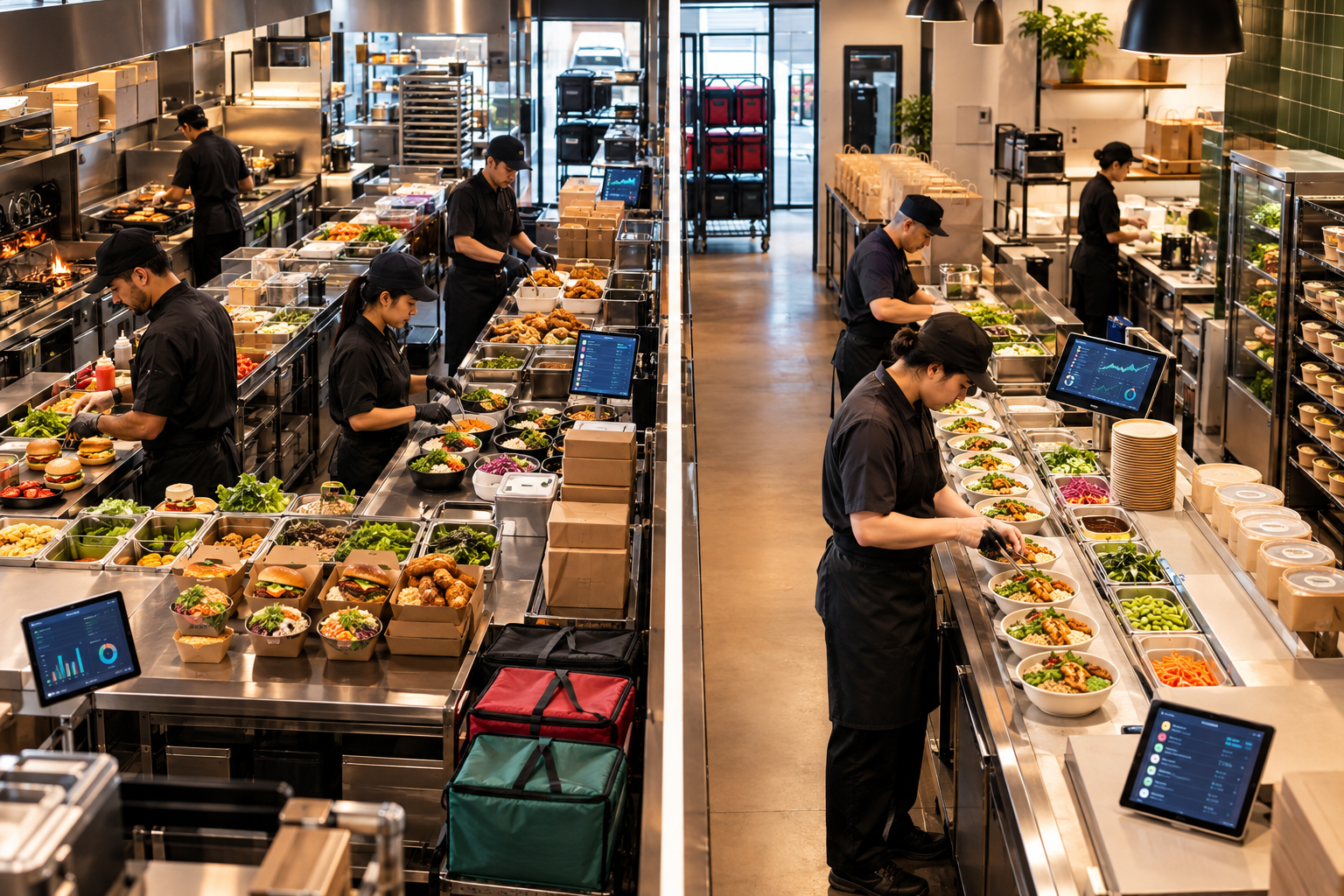
A multi-brand kitchen operates several virtual restaurant concepts from one physical kitchen. For example, one facility might offer burgers under one brand, rice bowls under another, and chicken meals under a third.
The primary advantage is resource sharing. Brands may use the same kitchen space, equipment, staff, ingredients, and delivery infrastructure. Operators can also target different customer preferences and dining occasions through separate menus and brand identities.
However, managing multiple brands introduces complexity. Each concept may require distinct menus, product photography, pricing, promotions, customer support, and quality standards. Without strong coordination, operational mistakes and inconsistent customer experiences can undermine the benefits of diversification.
What Is a Single-Concept Delivery Model?
A single-concept delivery kitchen concentrates on one restaurant brand and a clearly defined food offering. Examples include a specialist pizza brand, a healthy meal service, or a premium burger concept.
This focused approach makes it easier to build a recognizable identity, refine a menu, and establish consistent preparation standards. Staff can specialize in a smaller range of products, while marketing efforts reinforce one clear value proposition.

The trade-off is a narrower market position. If demand for the concept declines or competitors offer a more attractive alternative, the business may have fewer ways to reach new customer segments without changing its core offering.
1. Operational Efficiency and Cost Control
Multi-brand kitchens can improve the utilization of rent, equipment, and labor by serving several customer segments from one location. Shared ingredients and overlapping preparation processes can create additional efficiencies.
However, those savings depend on menu compatibility and order volume. Too many unrelated brands can increase inventory requirements, preparation complexity, training costs, and food waste.
Single-concept kitchens generally offer simpler workflows and more focused inventory management. This can make quality control and staff training easier, particularly during the early stages of a business.
The advantage: Multi-brand kitchens may benefit from shared resources, while single-concept kitchens often benefit from operational simplicity.
2. Marketing, Brand Recognition, and Customer Loyalty
Multiple brands can expand market reach by appealing to different preferences, budgets, and occasions. Yet each brand needs a credible identity and a clear reason for customers to choose it.
A single-concept business can concentrate its marketing budget on building recognition, developing signature products, and creating a loyal customer base. A strong specialist brand may become easier for customers to remember and recommend.
The best choice depends on whether a business can market several concepts effectively or would achieve stronger results by concentrating its resources on one.
3. Scalability and Long-Term Profitability
Multi-brand kitchens can expand by introducing additional concepts in locations where demand supports them. Existing infrastructure may help reduce the incremental investment required for a new brand.
Nevertheless, adding brands does not automatically increase profits. Operators must evaluate each concept’s contribution after ingredients, packaging, labor, platform commissions, promotions, and other operating expenses.
Single-concept businesses can scale through additional locations, franchising, or delivery partnerships. Their growth may be more straightforward when the menu, brand positioning, and production processes are repeatable.
In both models, sustainable growth depends on positive unit economics, reliable demand, and consistent execution.
4. The Role of Data and Technology
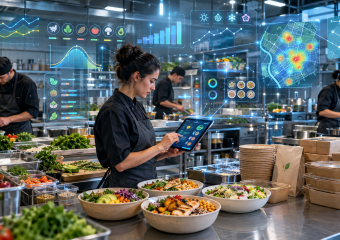
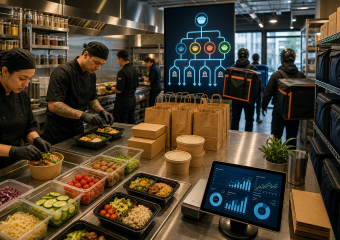
Technology can help both models make better decisions. Sales analytics can reveal high-performing products, while inventory systems can reduce waste and improve purchasing decisions. Order management and kitchen display systems can coordinate preparation, monitor delays, and support consistent service.
For multi-brand operators, consolidated reporting is particularly valuable because it allows managers to compare each brand’s performance and identify which concepts deserve further investment.
For single-concept operators, data can help refine the menu, forecast demand, and improve customer retention.
Conclusion: Which Model Wins Long Term?
There is no universal winner. Multi-brand kitchens may be better suited to experienced operators who can manage several concepts, share resources effectively, and validate demand across different customer segments. Single-concept delivery may be the stronger starting point for businesses that need a focused identity, simpler workflows, and a clear path to brand loyalty.
The most sustainable model is the one that consistently delivers customer value while maintaining healthy margins and manageable operations. Before expanding, operators should validate demand, measure profitability by concept, and use operational data to guide decisions.
In the long run, success comes not from operating the most brands, but from building a business model that customers trust and that the operation can profitably sustain.