Autonomous Restaurant Operations: Key to Reducing Labor Pressure
Reducing Labor Pressure with Autonomous Restaurant Operations
The landscape of the restaurant industry is rapidly changing with the integration of technology, especially with the advent of autonomous systems. Autonomous restaurant operations are not just a trend but a practical response to increasing labor costs, labor shortages, and the demand for consistent, high-quality service. This post explores how adopting automation can significantly alleviate labor pressures while streamlining workflow and enhancing customer satisfaction.
Enhancing Efficiency with Automation
Speedy Service
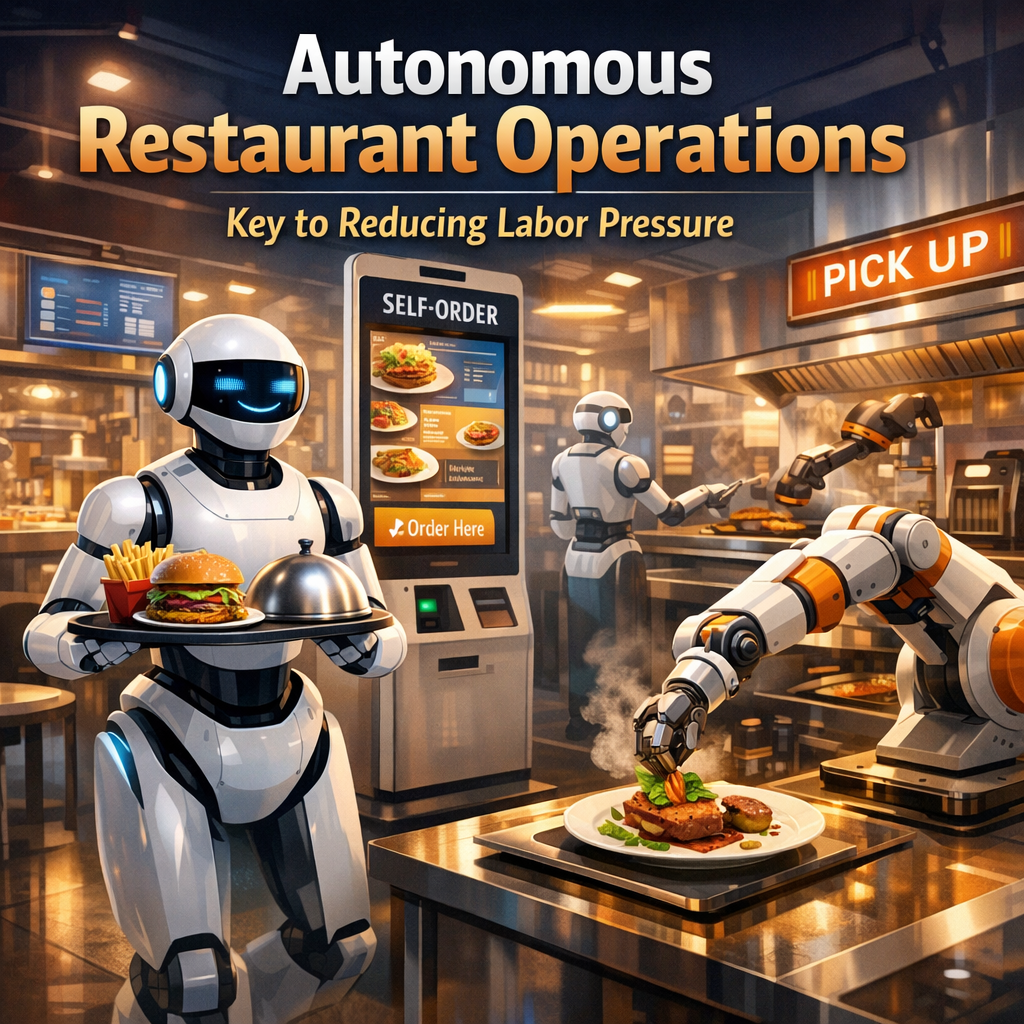
One of the most immediate benefits of autonomous restaurant operations is the increased speed of service. Automated systems like self-order kiosks and mobile ordering apps allow customers to place orders without waiting in line, which not only speeds up the process but also reduces the workload on staff.

Consistency in Quality
Robots and automated cooking devices excel in consistency, producing meals that are the same high quality every single time. This reliability can lead to better customer satisfaction and repeat business, essential elements for the success of any restaurant.

Improved Order Accuracy
Automation significantly reduces human error. Digital orders go directly to the kitchen, minimizing misunderstandings and inaccuracies that can occur when orders are taken manually. This improves the overall efficiency of the restaurant, which in return can reduce labor demands.

Reducing Labor Costs
Lower Need for Staff
With tasks such as order taking, payment processing, and even cooking being automated, the number of staff needed on-site can decrease. This doesn’t necessarily mean eliminating jobs but reallocating staff to where they are most needed, such as providing better customer service or maintaining the technology.
Training and Turnover
Training staff can be costly and time-consuming, and the hospitality industry often experiences high turnover rates. Autonomous systems require a one-time setup and maintenance, possibly reducing the need for ongoing training and minimizing the impact of turnover.
Enhancing Customer Experiences
Personalized Interaction
Autonomous operations allow staff to focus more on the customer’s needs. Workers freed from routine tasks can provide a more personalized service, attending to the nuances of customer care that machines are not capable of.

Always-on Availability
With autonomous technology, restaurants can offer extended hours of service without the additional labor costs. Machines don’t need breaks or sleep, enabling a 24/7 operation if demand exists.

Overcoming Challenges
While the benefits are clear, integrating autonomous systems into restaurant operations is not without its challenges. Issues such as high initial investment, the need for ongoing maintenance, and ensuring the technology remains up-to-date can be daunting. Moreover, it’s crucial to maintain a balance where technology enhances service without removing the human touch that many diners appreciate.
Initial Investment
The upfront cost of implementing autonomous technology can be significant. However, the return on investment through reduced labor costs and increased efficiency often offsets these initial costs over time.
Technological Maintenance
Keeping systems running smoothly requires regular maintenance and updates. Restaurants need to either train existing staff to handle these new systems or hire specialists, potentially creating a new category of restaurant jobs.
Preserving the Human Element
Many customers still value human interaction, and the challenge is to integrate technology without making the dining experience feel too mechanical. Successful autonomous restaurants find a balance by using automation for efficiency and humans for personal interaction.
Conclusion
Autonomous restaurant operations offer a promising solution to the ongoing challenges of labor costs and shortages in the industry. By automating routine tasks, restaurants can focus more on what truly matters – customer satisfaction and unique dining experiences. As this technology continues to evolve, it will be interesting to see how the balance between human and machine workforces shapes the future of dining. Integrating autonomous systems might be the key to not only surviving in a competitive industry but thriving in it.