Exploring How Agentic Systems Revolutionize Restaurant Operations
The Future of Restaurants: How Agentic Systems Are Transforming Daily Operations
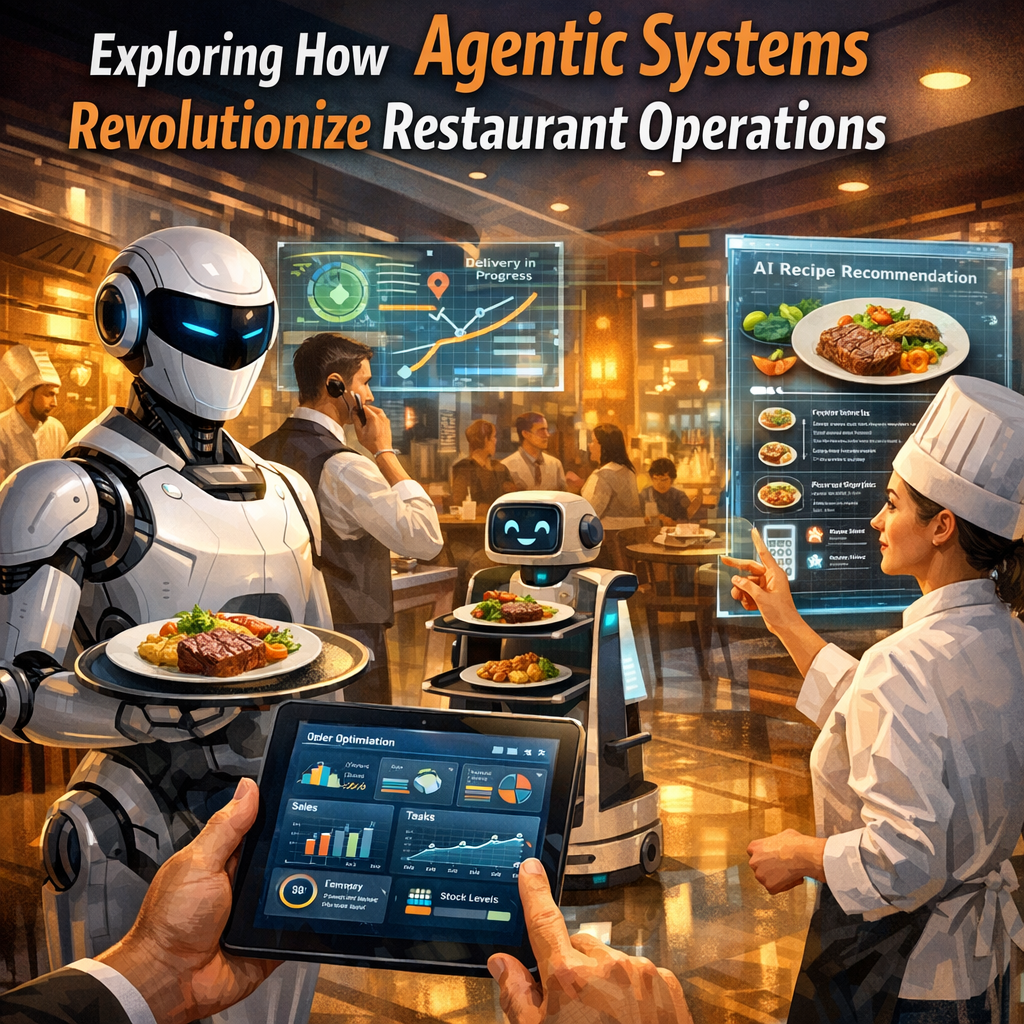
Agentic systems, or technologies that automate decision-making processes, are increasingly becoming a pivotal component in the evolution of restaurant operations. From streamlining service to enhancing customer experiences and optimizing back-office tasks, these intelligent systems are not just futuristic concepts but are present-day tools redefining the hospitality industry.
Introduction to Agentic Systems in Restaurants
Agentic systems refer to automated platforms and technologies that handle tasks traditionally performed by humans. In the context of restaurants, these systems are being employed to manage everything from inventory and ordering to customer interaction and service delivery.

Enhancing Customer Service
Automated Ordering Systems
One of the most visible implementations of agentic systems in restaurants is in customer service, particularly through automated ordering systems. Customers can place orders using digital kiosks or mobile apps, reducing wait times and improving order accuracy. This shift not only streamlines the process but also allows staff to focus on more engaging service aspects, enhancing the overall customer experience.

AI-Driven Recommendations
Artificial intelligence (AI) plays a crucial role in personalizing the dining experience. AI algorithms analyze customer data to provide tailored recommendations based on past orders or dietary preferences. This not only makes the diner feel valued but also increases the likelihood of customer satisfaction and repeat visits.

Operational Efficiency
Inventory Management
One of the more significant behind-the-scenes improvements is the use of agentic systems in inventory management. These AI-powered tools predict inventory needs based on historical data and can automate ordering processes, ensuring that restaurants never run out of popular items and minimize waste.
Energy Management
Restaurants consume a high amount of energy, and agentic systems can help in reducing these costs significantly. Smart sensors and AI can optimize the use of HVAC systems, lighting, and kitchen appliances, adjusting in real-time to energy needs and helping to cut down on utility bills.
Employee Management and Training
Automated Scheduling Tools
Agentic systems also simplify employee scheduling by accounting for peak times, staff availability, and legal requirements such as work hours and rest periods. This not only improves operational efficiency but also enhances worker satisfaction by accommodating personal preferences whenever possible.

Virtual Training Modules
AI-driven training modules provide new staff with interactive learning experiences and simulate various customer service scenarios. This ensures that employees are better prepared for their roles, leading to more effective customer interactions and fewer errors.

Challenges and Considerations
While the integration of agentic systems offers numerous benefits, it also presents several challenges. The initial investment in such technology can be substantial, particularly for small to medium-sized enterprises. Additionally, there is the ongoing need to update and maintain these systems, requiring further financial and time resources.
Moreover, with the increasing use of AI and automation, there is a growing concern about job displacement within the industry. It is essential for restaurant owners to balance the use of technology with job creation and to ensure that employees are trained to work alongside these new systems effectively.
Conclusion
The future of restaurants looks promising with the integration of agentic systems elevating the customer experience and improving overall operational efficiency. As these technologies continue to evolve, they hold the potential to transform every aspect of the restaurant industry, from the point of order to post-meal services. Nonetheless, it is crucial for restaurateurs to address the challenges posed by such integration, ensuring that technology enhances rather than replaces the human touch that is so vital to the hospitality experience.