Boost Your 2026 Restaurant Success with an Agentic Operating System
Why Every Modern Restaurant Needs an Agentic Operating System in 2026
The restaurant industry is evolving at a breakneck pace, and what sets successful establishments apart is their ability to adapt and innovate. Entering 2026, it’s clearer than ever that technological integration isn’t just advisable; it’s essential. At the core of this integration is what’s known as an agentic operating system (OS). In this article, we delve into why such systems are becoming indispensable for modern restaurants keen on thriving in an ever-competitive landscape.
Understanding Agentic Operating Systems
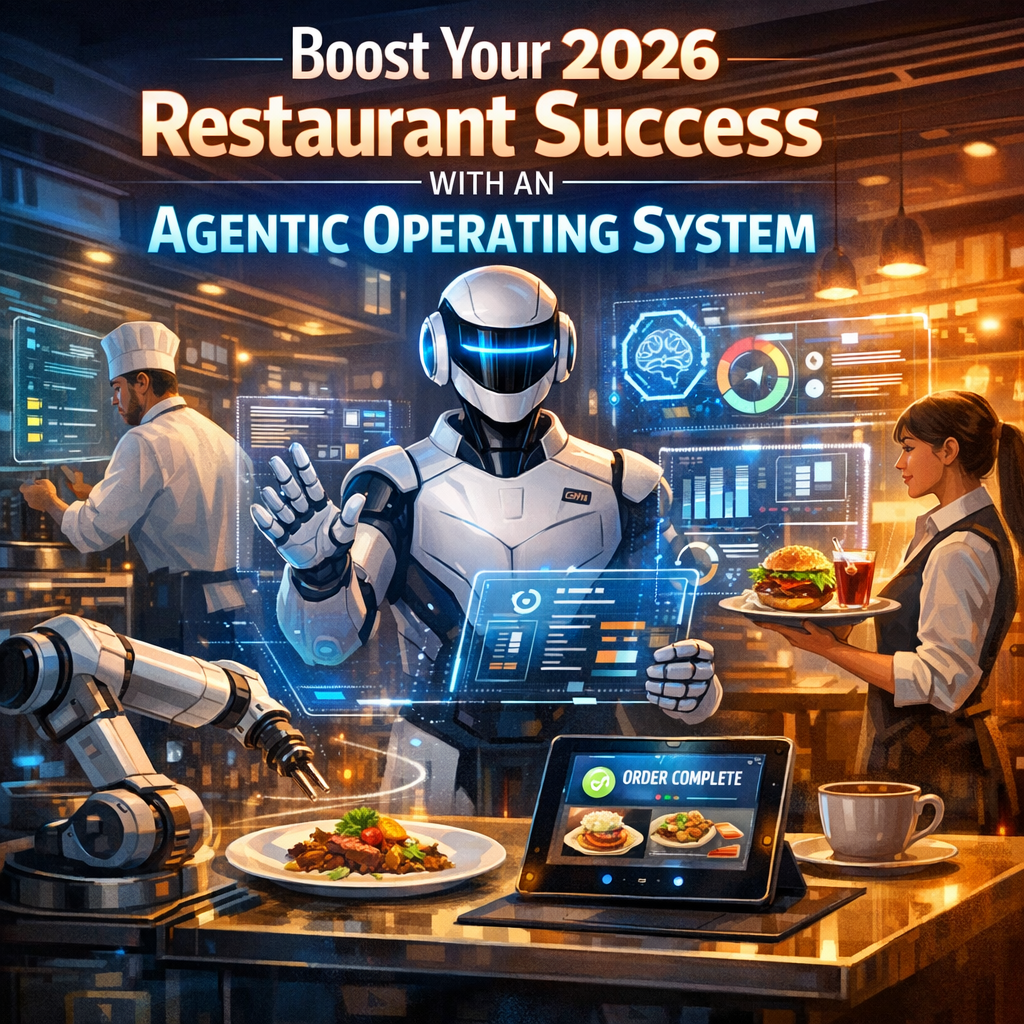
Before we explore the benefits, let’s define what an agentic operating system is. Unlike traditional software, an agentic OS is designed to act as an active agent in the management process. It learns from data and interactions, making real-time decisions and automating complex processes. This kind of system is proactive, not just reactive, using artificial intelligence (AI) to optimize operations continuously.

Real-Time Data Analysis and Response
Automated Efficiency
One of the primary advantages of an agentic OS is its capacity for real-time data analysis and response. Restaurants gather enormous amounts of data daily, from customer preferences to inventory levels. An agentic OS analyzes this data in real-time to make immediate adjustments, ensuring optimal operation. This could mean dynamically adapting menu suggestions based on inventory or personalizing marketing messages to individual customers as they enter the restaurant.

Predictive Problem Solving
Beyond real-time adjustments, agentic systems can predict and mitigate potential issues before they become problematic. For instance, predicting equipment failure or staffing shortages allows managers to proactively address these issues, minimizing downtime and loss of revenue.

Enhanced Customer Experience
Personalization at Scale
An agentic OS takes customer service to a new level. Through learning algorithms, the system can tailor dining experiences to individual preferences, suggesting dishes, remembering past orders, and even anticipating dietary restrictions. This level of personalization not only enhances customer satisfaction but also boosts loyalty.
Streamlined Operations
From table turnover to kitchen operations, every process within a restaurant can see improved efficiency with an agentic OS. Tables are turned over more quickly, orders are processed faster, and the communication between staff and kitchen is streamlined, all of which lead to a smoother, more enjoyable customer experience.
Optimized Inventory and Supply Chain Management
Managing stock and supply chains effectively is always challenging in the restaurant industry. With an agentic operating system, however, these tasks are automated and optimized based on predictive analytics. The system can forecast future needs with remarkable accuracy, reducing waste and ensuring that the restaurant never runs out of customer favorites.

Leveraging AI for Marketing and Customer Insights
Tailored Marketing Strategies
An agentic OS can segment customers accurately and create highly targeted marketing campaigns that speak directly to the desires and needs of different groups. This personalized approach not only increases the effectiveness of promotional efforts but also enhances customer engagement.

Insightful Customer Analytics
The depth of customer insights provided by an agentic OS is unparalleled. Restaurant owners can understand consumer behavior patterns, preferences, and feedback in nuanced ways, allowing them to make informed decisions that significantly improve customer retention and acquisition strategies.
Implementation Considerations
While the benefits are substantial, implementing an agentic OS does require careful planning. It is essential to choose a system that integrates smoothly with existing infrastructure and to train staff adequately to handle new technologies. The transition might be challenging, but the long-term gains in efficiency, customer satisfaction, and profitability are well worth the effort.
Conclusion
As we move through 2026, the question for restaurant owners is not if they should adopt an agentic operating system, but when. This technology is no longer futuristic—it’s a current necessity. Implementing an agentic OS is not merely about keeping up with the competition; it’s about setting the pace, exceeding customer expectations, and optimizing every aspect of restaurant operation. The future of dining is here, and it’s powered by intelligence, efficiency, and a keen understanding of what customers desire before they even ask for it.