Reduce Delivery Costs with Predictive Routing and AI Dispatching
# How Predictive Routing and AI Dispatching Reduce Delivery Costs

In today's logistics-driven economy, businesses continuously seek innovative strategies to streamline operations and reduce expenses. One such innovation that has garnered significant attention is the integration of predictive routing and AI dispatching systems. These technologies leverage artificial intelligence to optimize delivery routes and schedules, thereby minimizing operational costs and enhancing service efficiency. Here’s how predictive routing and AI dispatching are transforming the logistics industry.

Understanding Predictive Routing and AI Dispatching


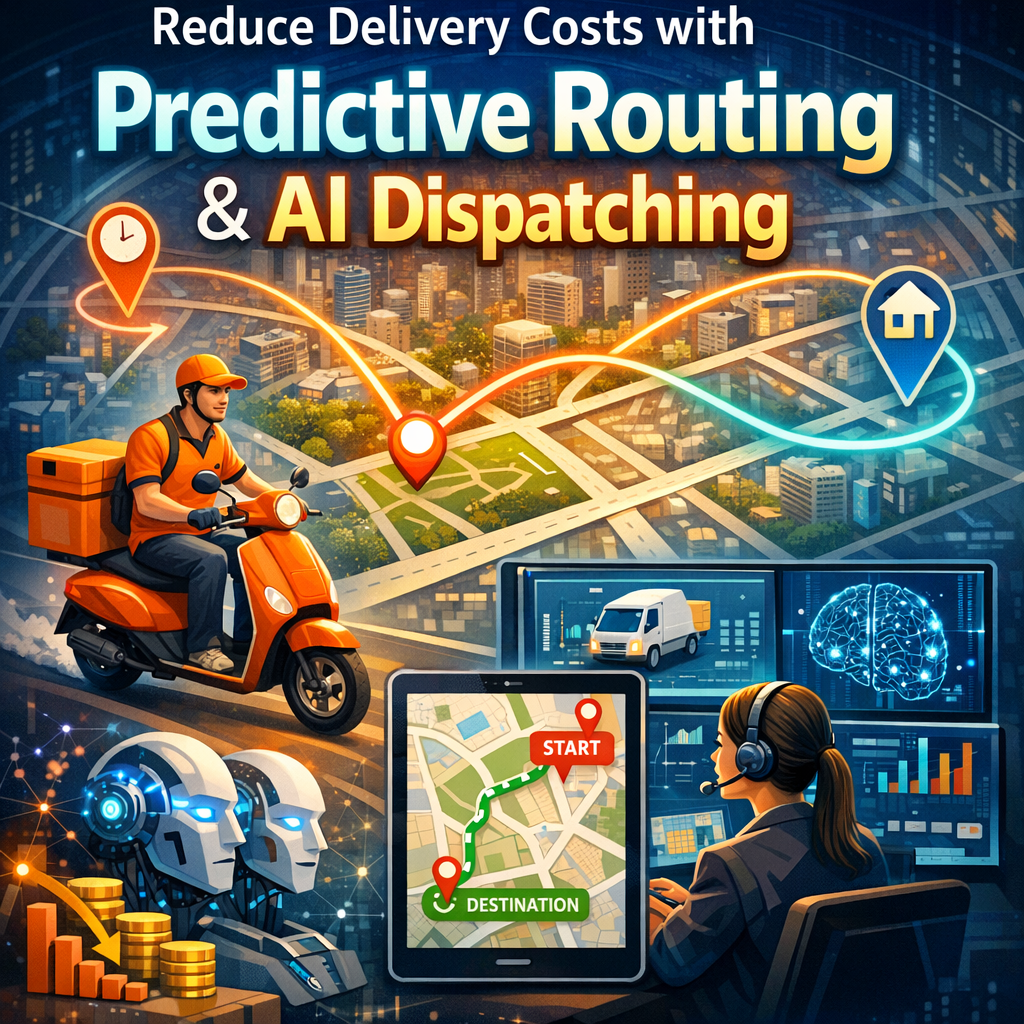
Predictive Routing uses historical data, real-time traffic information, and advanced algorithms to predict the fastest and most cost-effective routes for delivery vehicles. By analyzing various factors like road conditions, weather, and vehicle type, predictive routing can foresight delays and suggest alternative paths.

AI Dispatching, on the other hand, involves the use of artificial intelligence to manage the assignment of delivery tasks. It evaluates the current locations of vehicles, their cargo capacity, and upcoming deliveries to optimize the dispatch process. This technology ensures that the right vehicle reaches the right customer at the right time, enhancing the overall workflow efficiency.

Key Benefits of Implementing AI-Driven Logistics


1. Reduced Fuel Expenses


- Optimized Routes: By ensuring that delivery vehicles follow the most efficient routes, predictive routing significantly cuts down on unnecessary travel, reducing fuel consumption.
- Less Idling Time: AI dispatching helps avoid busy routes or those with frequent stoppages, hence lowering the time trucks spend idling.

2. Improved Delivery Speed


- Dynamic Route Adjustment: Predictive routing adjusts routes in real-time, allowing drivers to avoid sudden traffic snarls or accidents.
- Efficient Task Allocation: AI dispatching automates and optimizes the allocation of delivery tasks among available vehicles, preventing delays caused by human decision-making.

3. Cost Reduction in Vehicle Maintenance


- Decreased Wear and Tear: Following optimized routes reduces the overall distance traveled and avoids rough terrain, leading to less wear and tear on the vehicle.
- Preventive Maintenance Insights: AI systems can predict maintenance needs based on vehicle performance data, helping prevent costly breakdowns and extending vehicle lifespan.

4. Enhanced Customer Satisfaction


- Faster Deliveries: The speedier dispatch and intelligent routing ensure that customers receive their orders promptly.
- Real-Time Updates: Customers can be kept informed about the status of their deliveries, adding to their satisfaction and trust in the service.

How Businesses Are Implementing These Technologies


Case Studies


- Major E-commerce Giants: Large online retailers have integrated predictive routing and AI dispatching to manage their massive volume of daily deliveries, significantly reducing operational costs.
- Food Delivery Services: These platforms use AI to predict the fastest routes and appropriate dispatch times, ensuring food arrives hot and fresh, enhancing customer satisfaction.

Steps to Implement


1. Invest in AI Software: Companies need to invest in robust AI software tailored for predictive routing and dispatching.
2. Data Collection: Building a comprehensive database including traffic patterns, weather data, and delivery success rates is crucial.
3. Training and Testing: Training the AI with historical data to ensure it can accurately make predictions and scheduling decisions.
4. Continuous Monitoring and Updates: Keeping the system updated with new data and continuously monitoring its effectiveness.

Concluding Thoughts


Predictive routing and AI dispatching represent a leap forward in managing delivery services. Not only do these technologies help in cutting down costs by optimizing resource use, but they also improve customer relations through enhanced service delivery. As these technologies evolve, they are set to become indispensable tools in the logistics and transportation sectors, driving efficiency and sustainability.

Ads