Restaurants Shift from Traditional Delivery Apps – Find Out Why
Why Restaurants Are Moving Away from Traditional Delivery Apps
The landscape of food delivery has been overwhelmingly transformed in the last decade with the advent of delivery apps like Uber Eats, Grubhub, and DoorDash. However, a significant shift is occurring as more restaurants are opting to move away from these traditional platforms. This blog explores the key reasons behind this trend and what it means for consumers and restaurant owners alike.
High Commission Fees
Crunching the Numbers
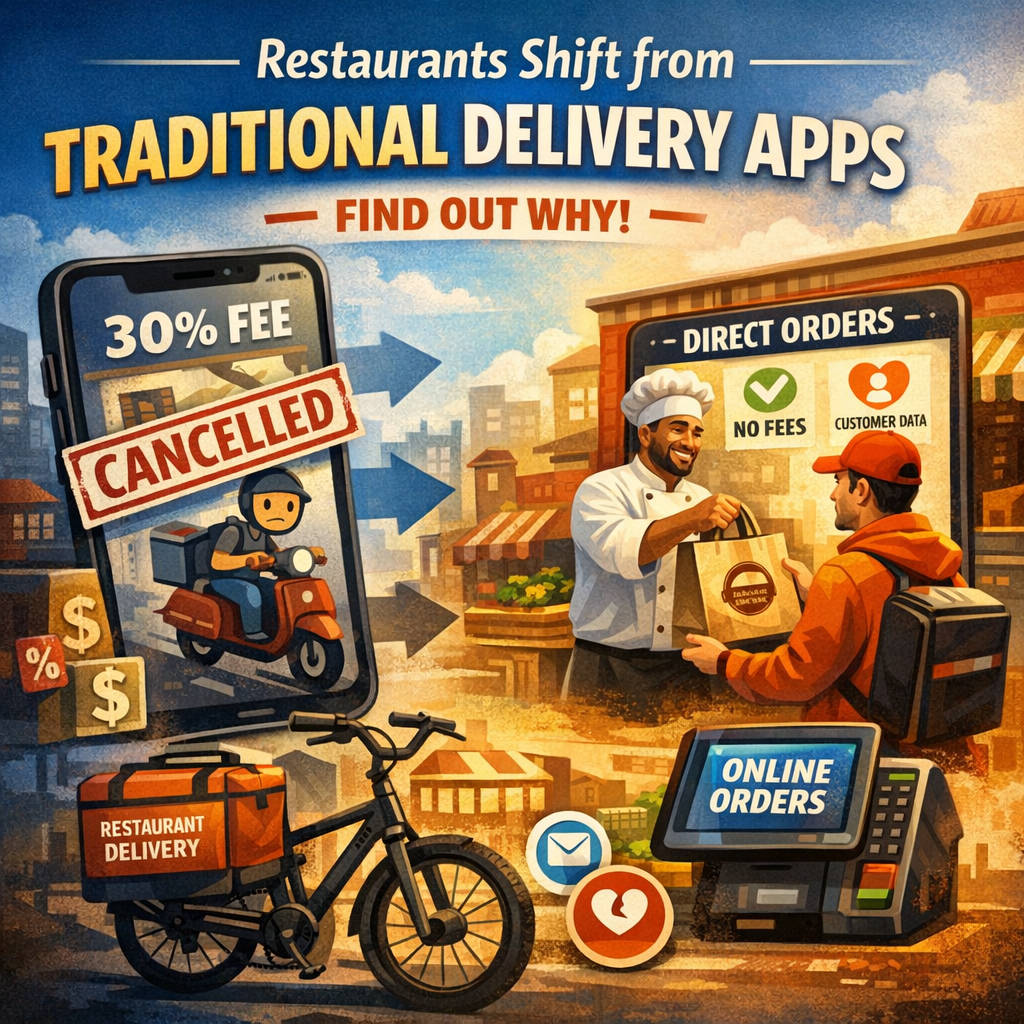
Traditional delivery apps often charge considerable commissions, sometimes as high as 30% per order. This large cut can deeply impact the profits of restaurants, especially small to medium-sized establishments that operate on slender margins. The financial burden has prompted many restaurants to reconsider their partnership with these platforms.

A Push for Fairness
In response, some restaurants are choosing to develop their own delivery systems or collaborate with services that offer lower commission rates. This transition allows them to retain a larger share of their earnings and have greater control over their profits.

Desiring Greater Control Over Customer Experience
Brand Experience
When orders are placed through third-party apps, restaurants have minimal control over the customer service and delivery experience, which can affect their brand reputation. Issues such as delayed deliveries or poor handling of food are often beyond the restaurant’s control but can lead to negative customer reviews and perceptions.

Quality and Presentation
By managing delivery in-house or through dedicated partners, restaurants ensure that the food reaches customers as intended, preserving the quality and presentation. This enhances the overall brand integrity and customer satisfaction.
Access to Customer Data
Understanding Customer Preferences
Third-party apps typically retain all customer interaction data, leaving restaurants in the dark about their own customers’ preferences and behaviors. This information is crucial for marketing and improving customer service.
Building Customer Relationships
Restaurants moving away from traditional apps are now embedding systems to gather and analyze customer data themselves. This shift helps in fostering a direct relationship with customers, potentially leading to better service and increased loyalty.

Innovations in Delivery Logistics
Efficiency and Cost
Technology advancements have made it easier and more cost-effective for restaurants to handle delivery logistics. Many are investing in software that optimizes delivery routes or in alternative delivery methods like drones or robots.

Customized Solutions
Restaurants are now able to tailor delivery solutions specifically suited to their service model and customer base, which is often not possible when partnering with large, generic delivery platforms.
The Rise of Localized Delivery Services
Support for the Local Economy
There is a growing trend towards supporting local businesses, and small delivery services are emerging that promise lower fees and more personalized service compared to their colossal counterparts.
Community Connections
These platforms often have a better grasp of local logistics and can forge stronger relationships with area restaurants, aligning with the community-focused ethos many consumers and proprietors cherish.
Conclusion
The shift away from traditional delivery apps among restaurants is driven by a need to reduce costs, increase control over customer experiences, utilize valuable data, and support the local economy. By taking charge of delivery and customer relations, restaurants are not only enhancing their profitability but are also providing a tailored, quality experience that could redefine the food delivery landscape. As this trend grows, it might encourage more innovations and potentially reshape how we think about ordering our favorite foods.