Understanding Agentic Delivery Economics for Local Restaurants
The Economics of Agentic Delivery for Local Restaurants
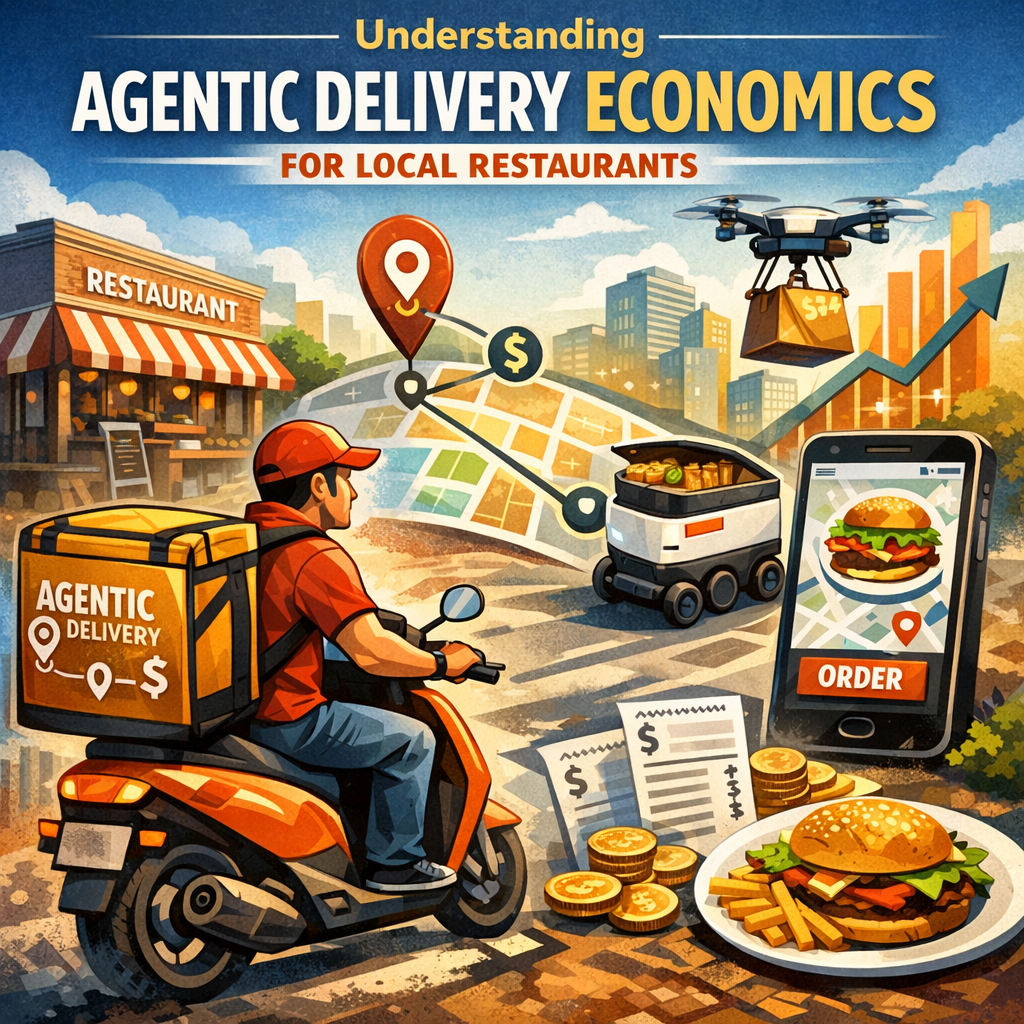
In recent years, an emerging trend known as “agentic delivery” has been reshaping the landscape for local restaurants. As a concept rooted in agency and proactive ownership, agentic delivery involves restaurants managing their own delivery services or adopting models that allow greater control and customization of the delivery process. This trend not only enhances customer service but also impacts the economic dynamics of the food service industry.
Understanding Agentic Delivery
Agentic delivery is essentially about empowerment and strategic autonomy. Instead of relying solely on third-party delivery services, restaurants are choosing to deploy their own resources or collaborate with platforms that permit a more hands-on approach to managing orders, deliveries, and customer interactions.

Key Features of Agentic Delivery:
- Direct management of delivery logistics: Restaurants handle their own delivery logistics, giving them control over delivery times, costs, and customer service.
- Customized customer interactions: More direct contact with customers, allowing for personalized service and enhanced customer satisfaction.
- Flexible pricing models: Restaurants can set their own delivery fees and promotional offers, avoiding the high commissions charged by third-party delivery services.
Economic Benefits for Local Restaurants
Exploring the economic impact, agentic delivery presents several benefits for local eateries:

Reduced Costs
By managing delivery services internally, restaurants can significantly cut down the fees ordinarily paid to third-party delivery platforms. Most of these platforms charge between 15% and 30% per order, which can eat into the restaurant’s profits. Agentic delivery reduces these outsourced costs and can lead to higher overall profitability.

Enhanced Customer Loyalty
Handling deliveries in-house or through a closely integrated service allows restaurants to maintain control over the customer experience. This direct interaction helps in building a stronger connection with customers, fostering loyalty and encouraging repeat business.
Increased Control Over Branding
Restaurants with their own delivery services have better control over how their brand is presented and perceived in the market. From customized packaging to how the food is delivered, every aspect can be aligned with the restaurant’s brand identity.
Challenges of Implementing Agentic Delivery
While the benefits are compelling, the transition to or implementation of an agentic delivery model comes with its own set of challenges:

- Initial Setup Costs: Developing an in-house delivery system requires an initial investment in delivery infrastructure and technology, such as vehicles and order tracking systems.
- Management Complexity: Running a delivery service can add a layer of operational complexity. Restaurants must manage logistics, delivery staff, and related legal and insurance issues.
- Geographical Limitations: The range and efficiency of an in-house delivery service can be limited by the restaurant’s geographic location and staff availability.
Case Studies: Success Stories
Several local restaurants have successfully embraced agentic delivery models, customizing their approach:

- Restaurant A: By integrating a local logistics app that aligns with their service standards, this restaurant managed to reduce delivery costs by 20% and increased customer retention by 15%.
- Restaurant B: Developed its own delivery fleet, emphasizing eco-friendly transportation and branded packaging, resulting in a 25% increase in order size through direct orders.
Conclusion: Is Agentic Delivery Right for Your Restaurant?
Deciding whether to adopt an agentic delivery model depends on various factors including the size of the business, customer base, and operational capacity. For restaurants considering this approach, it is crucial to evaluate both the potential economic benefits and the challenges.
Agentic delivery offers a promising alternative for restaurants aiming to enhance profitability and customer relations by taking control of the delivery process. As the food service industry continues to evolve, this model could play a pivotal role in the survival and growth of local restaurants.