The Ultimate Guide to Packaging Hot Food for 30+ Minute Delivery Rides
Meta Description: Learn how restaurants can package hot food for 30+ minute deliveries while preserving temperature, texture, freshness, and customer satisfaction.
For restaurants offering delivery, keeping food hot and appetizing after leaving the kitchen can be challenging. A meal that looks perfect when it leaves the restaurant may arrive lukewarm, soggy, or damaged after a 30-minute ride. The right packaging strategy can make a significant difference in food quality, customer satisfaction, and repeat orders.

Choose Packaging Based on the Food
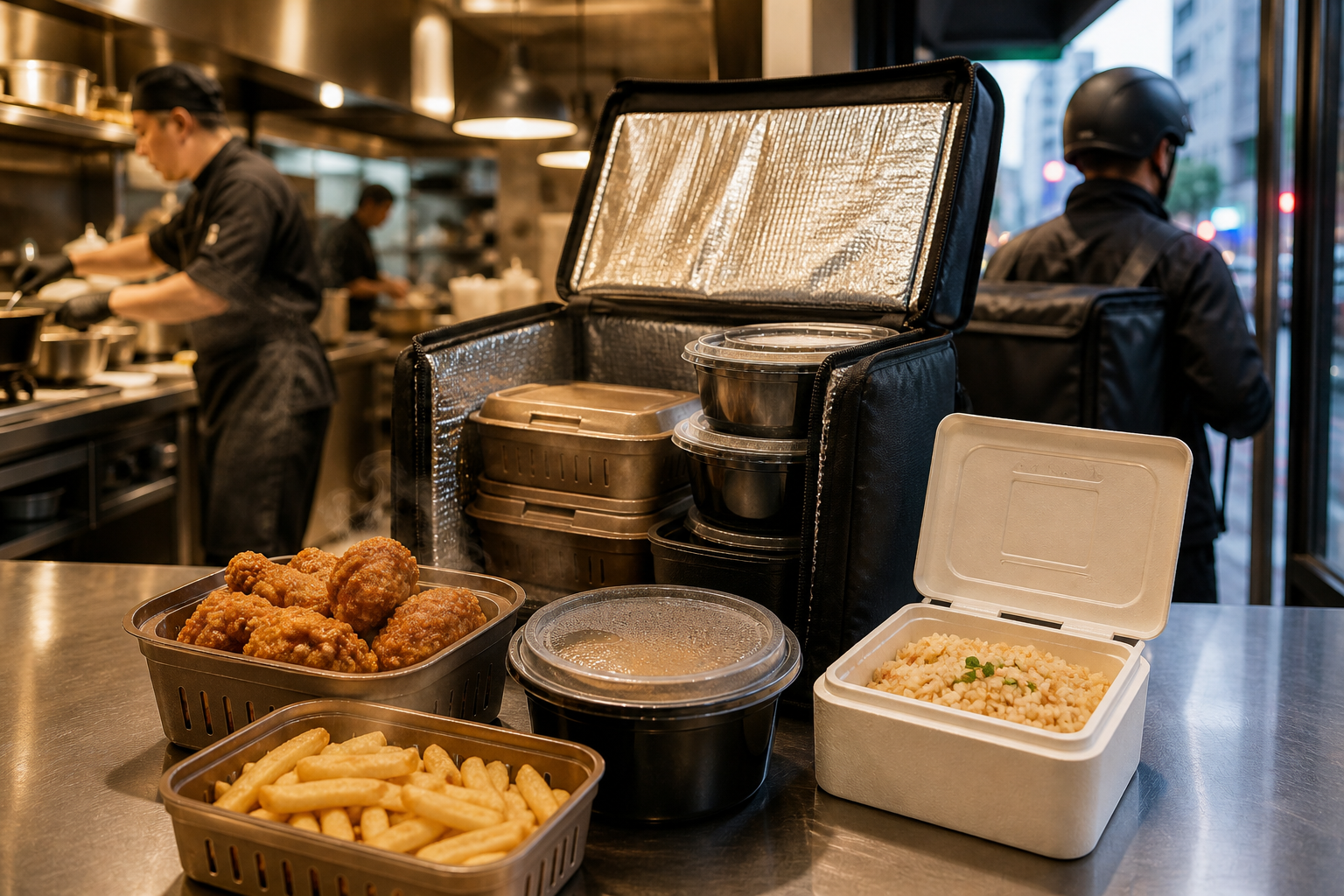
Different foods require different packaging solutions. Crispy foods such as fried chicken, fries, and tempura need ventilation to prevent trapped steam from making them soggy. Meanwhile, soups, sauces, and other liquid-based dishes require secure, leak-resistant containers.

Restaurants should consider the food’s temperature, moisture level, texture, and portion size before selecting packaging. Using one container for every menu item may be convenient, but it does not always produce the best delivery results.

Keep Hot Food Hot
Insulated packaging plays an important role in maintaining temperature during longer delivery trips. High-quality insulated containers or delivery bags can reduce heat loss between the restaurant and the customer.
Restaurants should also avoid leaving completed orders sitting uncovered in the kitchen. Food should be packaged as close as possible to the driver’s pickup time so that it begins the journey at an appropriate serving temperature.
Control Steam and Moisture
One of the biggest challenges in hot-food delivery is condensation. Steam trapped inside a tightly sealed container can quickly affect the texture of food.

For crispy items, containers with ventilation openings can allow excess steam to escape. For foods that need to retain moisture, such as rice dishes or certain pasta meals, more enclosed packaging may be appropriate.

The objective is not simply to keep food hot. It is to keep it hot while preserving the texture customers expect.
Prevent Leaks and Spills
A delivery order may travel through traffic, turns, stops, and uneven roads before reaching its destination. Containers therefore need to remain secure throughout the journey.
Restaurants should select containers with reliable lids and test them before using them for customer orders. Sauces and liquids should be packed carefully, while bags should keep containers upright whenever possible.
A simple packaging test can help identify problems before customers experience them.
Pack for the Entire Delivery Journey
Restaurants should evaluate packaging based on realistic delivery times. A container that works well for a 10-minute trip may not perform equally well during a 30- or 45-minute delivery.
Testing meals at different time intervals can reveal how temperature, moisture, appearance, and texture change during transportation. Restaurants can then adjust their packaging choices, portion sizes, ventilation, and packing methods accordingly.
Make Packaging Part of the Customer Experience
Packaging is more than a protective layer around food. It is part of the customer’s overall experience with the restaurant.
Clear labels, organized containers, secure bags, and attractive presentation can make an order feel more professional. Restaurants can also use packaging to communicate reheating instructions, allergen information, branding, or direct-order promotions where appropriate.
Technology Can Improve Delivery Performance
Modern restaurant technology can help businesses monitor delivery times, organize orders, and improve dispatch operations. Better coordination between kitchen preparation and driver pickup can reduce the amount of time food spends waiting before transportation.
When restaurants combine efficient delivery operations with appropriate packaging, they can provide a more consistent experience even when customers are located 30 minutes or more away.
Final Thoughts
Successful food delivery requires more than preparing great food. Restaurants must also ensure that meals survive the journey from kitchen to customer.
By choosing food-specific packaging, controlling steam, preventing leaks, maintaining temperature, and testing packaging under real delivery conditions, restaurants can protect food quality throughout longer trips. The result is a better customer experience, fewer complaints, and a stronger reason for customers to order again.