Virtual Brand Marketing: How Cloud Kitchens Win Market Share on Delivery Engines
Meta Description: Discover how NaanDash helps cloud kitchens grow virtual brands, improve delivery app visibility, attract more customers, and increase market share through smarter digital marketing strategies.
Introduction
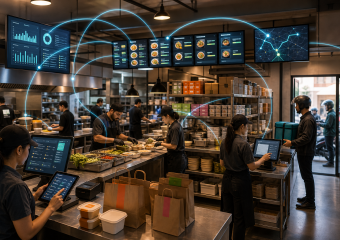
The food delivery industry has created new opportunities for cloud kitchens to build multiple restaurant brands without operating traditional dine-in locations. Through virtual brands, a single kitchen can serve different customer segments with specialized menus, unique identities, and targeted marketing strategies.

However, launching a virtual brand is only the first step. With numerous restaurants competing for customer attention on delivery platforms, cloud kitchens must find effective ways to stand out, attract orders, and build customer loyalty.
Virtual brand marketing helps businesses achieve these goals by combining brand positioning, menu optimization, digital promotions, customer insights, and delivery platform visibility. For modern food businesses, technology platforms such as NaanDash can support a more efficient approach to managing digital operations and growing delivery-focused brands.
1. Build Distinct Virtual Brands for Specific Customer Segments
One of the biggest advantages of a cloud kitchen is the ability to operate multiple virtual brands from the same physical location. Each brand can target a different audience, cuisine preference, or dining occasion.
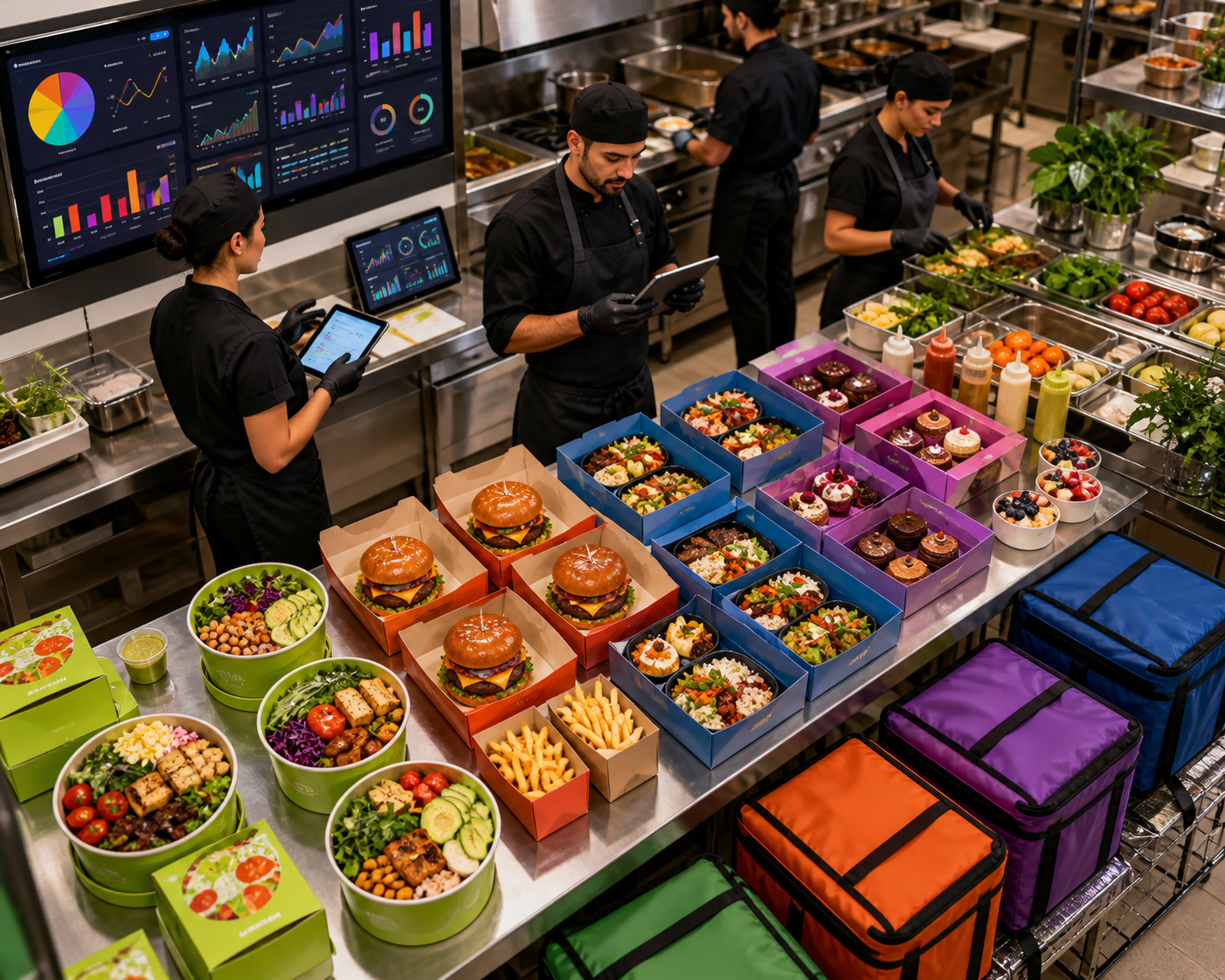
For example, a single kitchen could operate a healthy meal brand for fitness-conscious customers, a burger brand for casual dining, and a dessert brand for customers looking for sweet treats.
The key is to give each brand a clear identity. Distinct names, menus, product photography, pricing strategies, and brand messaging help customers understand what makes each offering different.
However, creating multiple brands should serve genuine customer needs rather than simply duplicating the same menu under different names. Distinct positioning helps reduce confusion and makes marketing efforts more effective.

2. Optimize Delivery Engine Listings for Greater Visibility
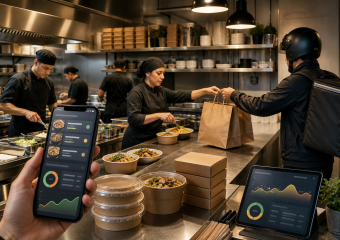
Delivery platforms are important discovery channels for virtual restaurants. Customers often browse menus, compare prices, examine photographs, and read reviews before choosing where to order.
Cloud kitchens should optimize their listings to make a strong first impression. Clear brand descriptions, attractive food photography, accurate menu information, and compelling product names can help customers understand the value of each offering.
Menu organization also matters. Popular dishes, signature meals, and suitable meal combinations should be easy to find. Businesses can test different descriptions and product images to understand which options generate stronger engagement and conversions.
Although each delivery platform uses its own ranking and recommendation systems, maintaining accurate information, reliable preparation times, positive customer experiences, and consistent availability can help strengthen overall performance.
3. Use Data Analytics to Understand Customer Behavior
Successful virtual brand marketing depends on understanding what customers actually order and why they choose particular brands.
Cloud kitchens can analyze available sales reports, order frequency, average order value, popular menu items, customer feedback, and promotional performance to identify opportunities for growth.
For example, if a virtual brand receives many orders for individual meals but fewer family-sized orders, the business could test family bundles or group meal packages.
Similarly, identifying peak ordering periods can help kitchens plan staffing, prepare inventory, and schedule promotional campaigns more effectively.
NaanDash is relevant to this technology-driven approach because modern restaurant platforms can help businesses connect operational information with better decision-making. Before implementing a specific analytics workflow, operators should verify the reporting and integration capabilities available in their chosen platform.
4. Create Promotions That Drive Profitable Orders
Discounts and promotions can attract new customers, but excessive price reductions can damage profit margins. Cloud kitchens need promotional strategies that encourage orders while protecting profitability.
Consider offering first-order incentives, limited-time menu items, meal bundles, loyalty rewards, or discounts during slower business periods.
For example, a burger brand might introduce a meal bundle combining a burger, side dish, and beverage at an attractive total price. This can increase average order value while giving customers a convenient option.
Businesses should evaluate promotions using measurable indicators, including conversion rates, repeat purchases, customer acquisition costs, and contribution margins after food costs, packaging, commissions, and discounts.
The goal is not simply to generate more orders. It is to attract customers who can contribute to sustainable, long-term growth.
5. Strengthen Customer Loyalty Beyond the First Order
Winning market share requires more than attracting one-time customers. Cloud kitchens need to create experiences that encourage customers to return.
Food quality, accurate orders, attractive packaging, dependable delivery, and responsive customer service all influence repeat purchasing behavior.
Virtual brands can also develop recognizable identities through consistent visual branding, signature menu items, and clear communication. When permitted by applicable platform rules, businesses can use loyalty programs, customer feedback initiatives, and direct marketing channels to maintain relationships with customers.
Monitoring repeat-order rates and customer reviews helps operators identify what is working and where improvements are needed.
A customer who trusts a brand’s quality and reliability may be more likely to order again, recommend it to others, and choose it over competing listings.
6. Scale Winning Brands With Smarter Operations
Not every virtual brand will perform equally well. Cloud kitchens should regularly evaluate which brands attract demand, generate healthy margins, and use kitchen resources efficiently.
A structured review process can help businesses identify successful menu categories, remove underperforming products, refine pricing, and adjust marketing investments.
Operational coordination becomes particularly important when several brands share the same kitchen, equipment, ingredients, and staff. Poor planning can create preparation delays, inventory shortages, and inconsistent service across brands.
Technology can support better visibility into orders, workflows, and business performance, helping operators make more informed decisions as their virtual brand portfolio grows.
For cloud kitchens exploring digital solutions, NaanDash can be part of the broader technology conversation around improving restaurant operations and supporting delivery-focused business growth.
Conclusion
Virtual brand marketing offers cloud kitchens an effective way to reach different customer segments, differentiate their menus, and compete for market share on food delivery platforms.
The strongest strategies combine clear brand positioning, optimized delivery listings, data-driven marketing, profitable promotions, customer loyalty, and efficient kitchen operations.
Rather than launching as many brands as possible, cloud kitchens should focus on building distinctive concepts that customers value and that the business can operate profitably.